Green & Circular Metals Open Innovation Challenge for Talent

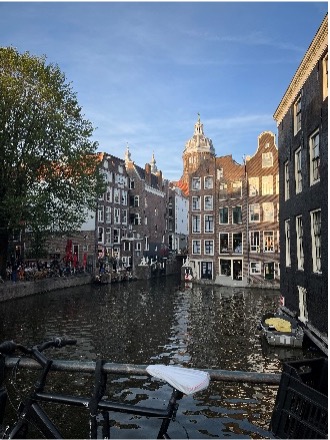
The Green & Circular Metals Expert Forum is one of Europe’s leading events on the green and circular transition of the metals industry. This year it took place in Amsterdam, the Netherlands, on September 29th-30th, bringing together industry leaders, policymakers, researchers and innovators to discuss the sector’s most pressing challenges: decarbonisation, circularity, investment, and the skills needed to drive the transition forward.

As part of this initiative, EIT RawMaterials launched the Open Innovation Challenge for Talent – SIGNs Sprint, an opportunity for young researchers, PhD candidates and master’s students to work on real-world industrial challenges. With the help of industry experts and dedicated mentors, participants developed practical solutions to decarbonise metals production, improve resource efficiency and speed up the transition towards a more sustainable and circular metals industry.

The Challenge: Turning Ideas into Solutions

Thirty young researchers and students from all over Europe were divided into six brilliant teams. Working in multidisciplinary groups, they exchanged ideas and knowledge, explored new perspectives and developed innovative solutions to real industrial problems.

Throughout the programme, participants were supported by business mentors Mantis Beyond Innovation, innovation coaches representing industrial partners in steel, aluminium, copper, zinc and lead, and EIT RawMaterials coaches.

The challenge started on September 9th and continued through the month with weekly online sessions on pitching, idea development, and the technical and business aspects of innovation. Each team worked on its own innovative and feasible idea within one of three main topics:

  • Circular Materials & Resource Recovery: the metals industry generates large volumes of secondary raw materials, such as slags, dusts, process residues, tailings, scrap and end-of-life products, which can serve as valuable sources of metals, minerals and other materials.


Aim: increase recovery, valorisation, circular use or economic value of industrial slag


  • Industrial Decarbonisation & Carbon Management: the metals sector faces increasing pressure to decarbonise production and reduce its carbon footprint.


Aim: reduce GHG emissions, improve energy efficiency or enable low-carbon production.


  • Future Metallurgy & Alternative Reductants: How can metal production be transformed through innovative processes, alternative reductants and breakthrough technologies?


Aim: develop a solution built on alternative reductants, novel process technologies or more sustainable production pathways.

The OnSite Meeting: Bringing Innovation into the Industrial Environment

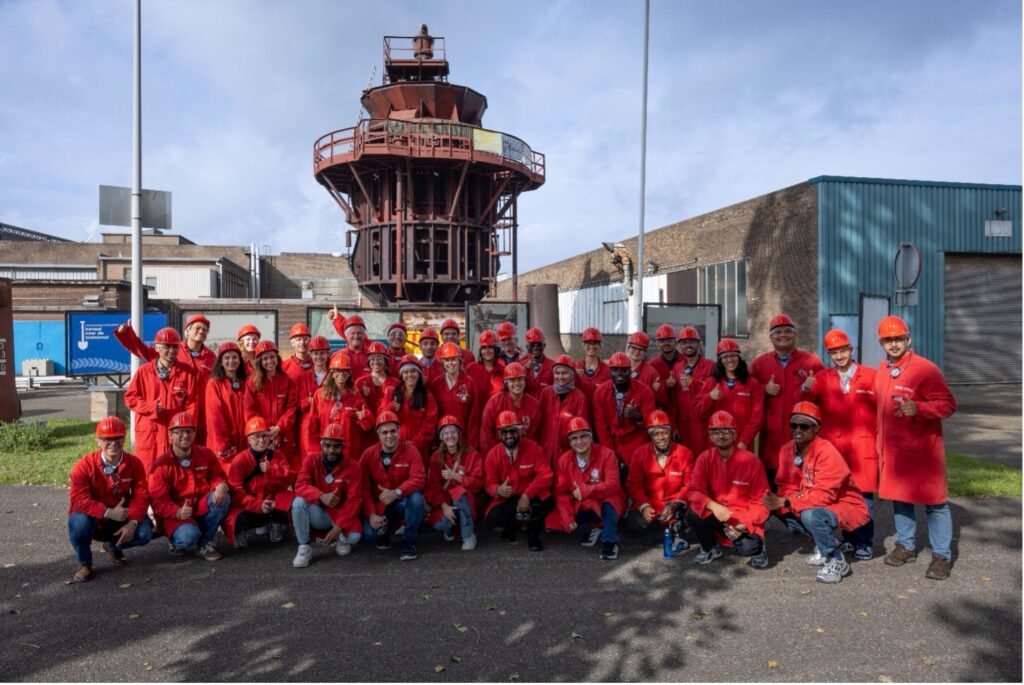
After three weeks of online work, the challenge moved into the real industrial world. From September 27th to 29th, students, mentors and coaches gathered in Amsterdam for three days of in-person work to refine and finalise their ideas and prepare their final pitches.

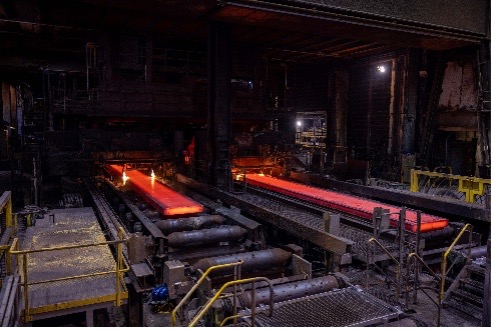
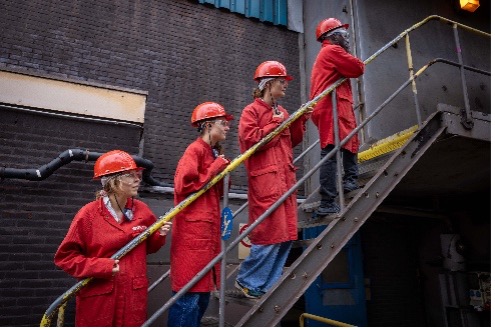
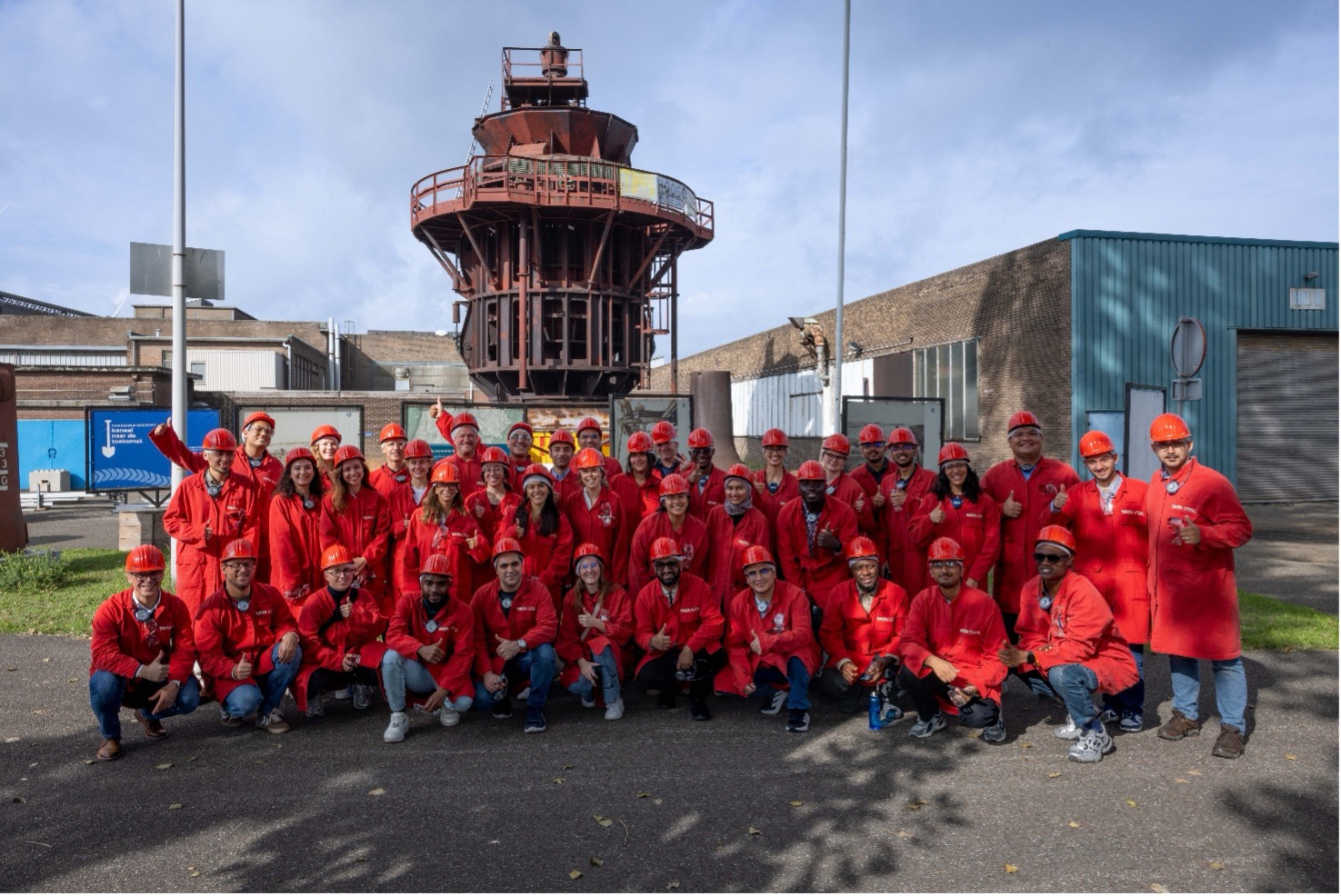
The highlight was the visit to Tata Steel Nederland on September 28th. Participants met company representatives and gained insights into the real steelmaking process while experiencing the industrial environment first-hand.

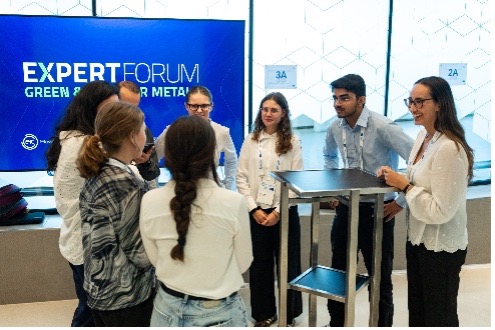
After the plant visit, representatives of the European project Hurricane introduced the participants (30 students and 6 coaches) to the PESTEL Game (https://www.instagram.com/p/Dd6J7DZDkak/), where players explored the political, economic, social, technological, environmental and legal factors shaping the future of the metals industry. The main challenge was to look beyond individual abilities and knowledge, recognise the importance of each role in a complex environment, and combine feasibility with environmental, economic and societal considerations.

Teams and Final Pitching

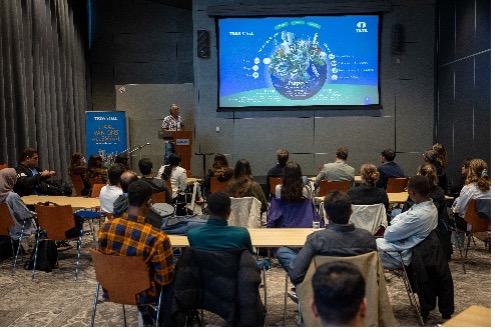
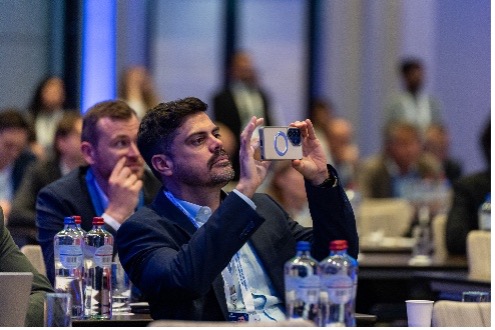
On September 29th, the challenge concluded with the final pitching session, held as part of the Green & Circular Metals Expert Forum in Amsterdam.

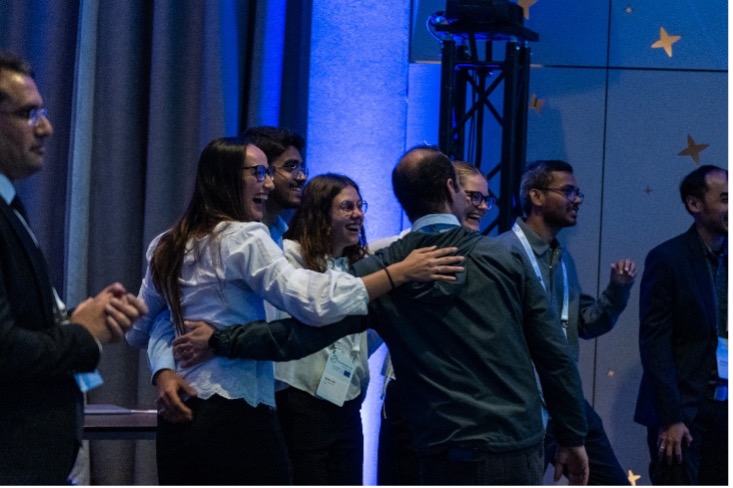
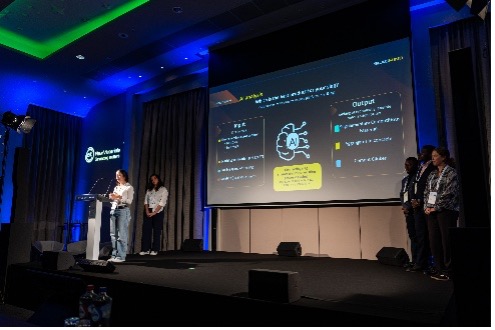
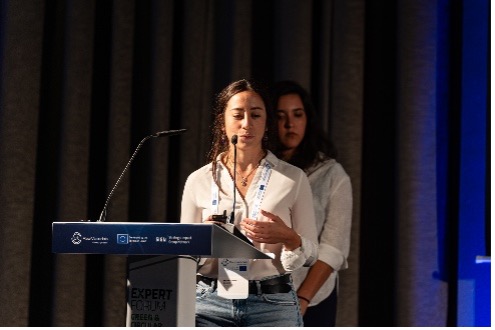
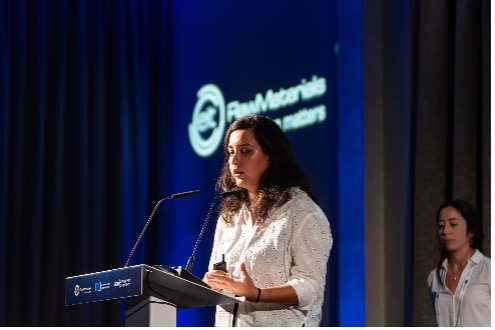
After weeks of collaboration, research and idea development, the teams presented their solutions and their potential impact to an audience of industry representatives and experts. The final pitches closed an intensive learning experience that combined multidisciplinary teamwork, expert mentoring, industrial insights and innovation methods.

The teams presented the following ideas (in order of presentation):


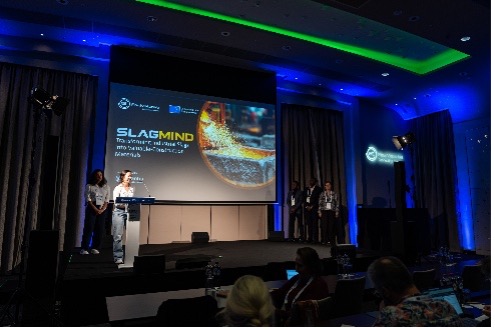
SlagMind: Transforming Industrial Slag into Valuable Construction Materials. Jara Müller-Kästner, Izabelle Fortes Meirelles, Maria Giuseppina Genduso, Ajibola Olaoye and their partner developed a project integrating AI and modularity into an innovative treatment technology, designed to adapt to the specific characteristics of different steel slags and maximise the value of the resulting construction material.

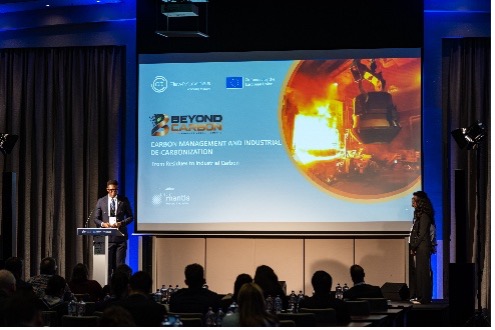
BeyondCarbon: Carbon Management and Industrial Decarbonisation, from Residues to Industrial Carbon. Demis Diplas, Meriem Taoukil, Aris Hadyo Wicaksono and their colleagues focused on a project aiming on converting agricultural and forestry residues into customised biocarbon for metallurgical applications, investigating their potential to reduce CO₂ emissions while enhancing resource efficiency.

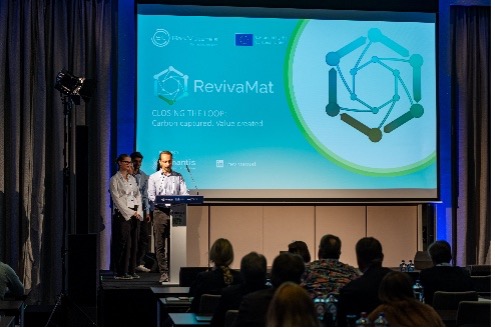
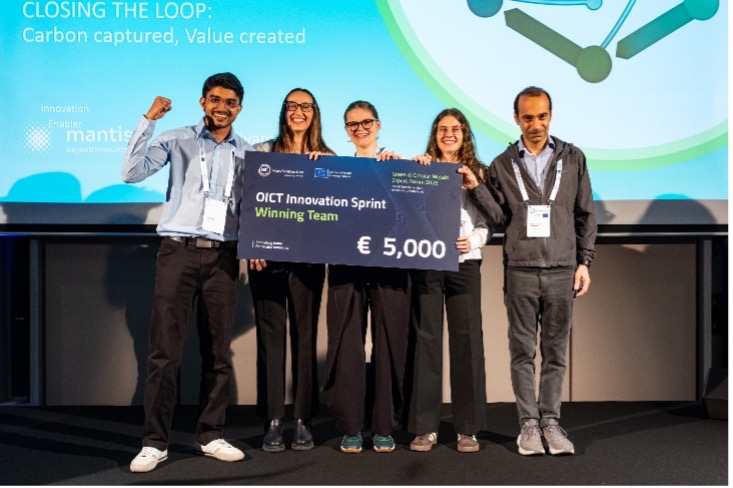
RevivaMat: Carbon Captured, Value Created. Marina Chaves Conde, Emilie Dehaerne, Mareike Seitel, Mohammad Mahdi Karkehabadi, and their teammate developed the concept of a technology capable of capturing CO₂ from steelmaking and reusing it to treat EAF dust and steel slag, generating two valuable byproducts: zinc carbonate and precipitated calcium carbonate.

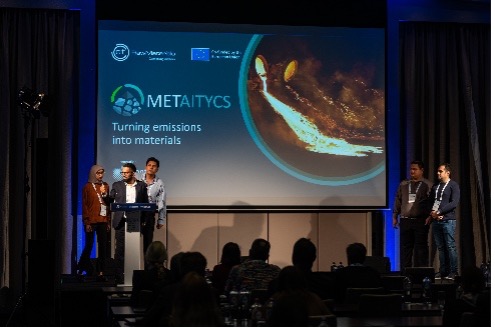
Metatycs: Turning Emissions into Materials (Edela Uswah Dien Muhammad, Carlos Alberto Elizalde Arciniega, Ramon III Galvan, Mohazzam Saeed, and workmate developed concept aimed at using captured CO₂ to mineralise calcium-rich steel slag, transforming it into potential construction aggregates.

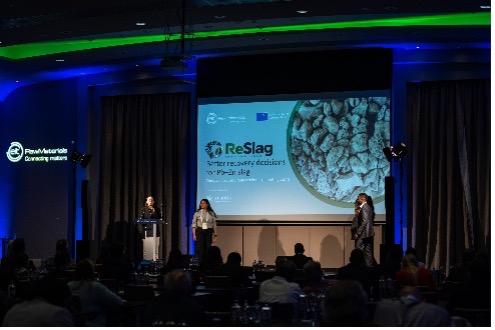
ReSlag: Better Recovery Decisions for Pb-Zn Slag. Compare Recovery Routes before Committing Capital. Nina Galić, James Mwambananji, Maria Fernanda Santos Morale, and their colleagues developed AI-powered decision-support concept designed to help companies identify the most valuable valorisation pathways for metallurgical slag.

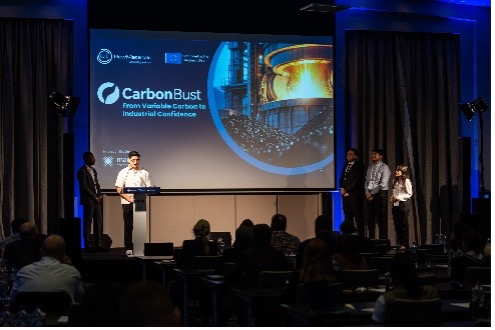
CarbonBust: From Variable Carbon to Industrial Confidence. Ameer Hamza, Ibukun Ige, Jhenson Yanez, and their partners presented an innovative project aimed at producing a consistent, certifiable carbon material suitable for EAF slag-foaming applications.

More than a chance to develop new ideas, the challenge showed participants how research, industry and entrepreneurship can come together to tackle real-world sustainability challenges.

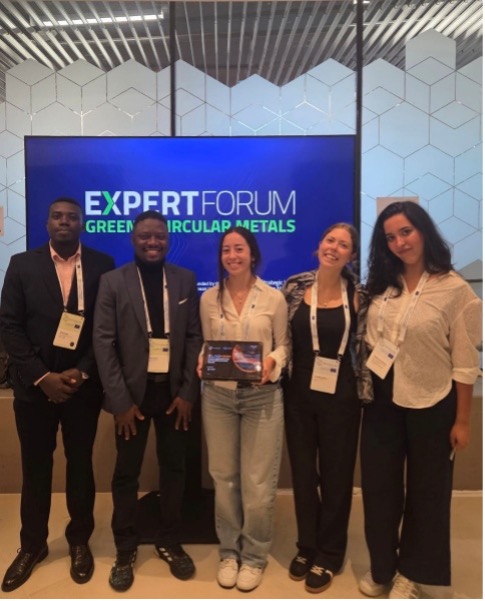
Each team was evaluated on aspects ranging from pitching and clarity to innovation and techno-financial feasibility. The winning team was RevivaMat, with a solution that turns steelmaking CO₂ and industrial waste streams into valuable products.

Their idea is a technology that captures CO₂ from steelmaking and uses it to transform two major industrial waste streams through hydrometallurgical and carbonation processes. EAF dust is used to produce basic zinc carbonate, while steel slag is transformed into precipitated calcium carbonate (PCC). By integrating carbon capture, resource recovery and mineral carbonation, RevivaMat aims to reduce waste, recover critical resources and permanently utilise CO₂ while creating valuable products for industrial applications.

Personal Reflections: from Industrial Challenge to our SlagMind project

One of the most interesting aspects of this experience was meeting people from different countries, backgrounds, and fields of expertise, all sharing a common goal: to expand their knowledge, learn from one another and find better ways to recycle and reuse industrial by-products. Despite our different experiences and perspectives, we were all working towards the same objective: making the metals industry more sustainable by improving resource recovery, reducing waste and supporting decarbonisation. One idea became particularly clear: what we call waste does not necessarily have to remain waste. With the right technologies and processes, it can become a valuable resource.

The visit to Tata Steel Netherlands was another important part of the experience. Seeing a steelmaking plant in operation gave us a much clearer understanding of what happens on an industrial scale, and of the size and complexity of the processes we study. At university, industrial processes are often explained through diagrams, simplified models and technical presentations. These are essential for understanding the theory, but seeing the real plant makes a difference. You begin to understand the practical challenges, the scale of the operations, and the complexity behind the processes. I believe every student in this field should have the opportunity to visit at least one industrial plant before completing their studies. It connects theoretical knowledge with real industrial practice and helps us understand the challenges that future engineers and researchers will be expected to address.

The final pitching day on 29 September was certainly the most intense part of the challenge. After weeks of working on our idea, we presented our project to an audience of industry professionals. For our team, SlagMind, it was the moment to explain how we wanted to approach one of the challenges facing the steel industry: improving the recovery and valorisation of EAF and BOF slags. Our idea combines artificial intelligence with a modular treatment technology designed to adapt to the specific characteristics of different slags. The starting point is simple: every slag has its own composition and properties, so a treatment process that works well for one material may not be the best solution for another.
SlagMind addresses this by using AI to help identify the most suitable treatment strategy, minimising unnecessary chemical adjustments and processing steps while targeting the desired quality of the final product. Based on the specific needs of the steelmaking company, the concept involves a modular plant that can be transported, installed and adapted to the slag to be treated. An AI-based system would monitor the incoming slag and adjust its chemical treatment, using selected databases and material-specific information to guide the process towards the desired output. The aim is to make slag treatment more flexible and efficient, while creating opportunities to recover valuable materials that might otherwise be underutilised. Presenting SlagMind was an opportunity to bring together the technical knowledge we had developed and a practical industrial problem. It also challenged us to explain our idea clearly, consider its feasibility and think about how it could respond to the needs of a real steelmaking company.

Looking back, what made this challenge valuable was the combination of different experiences: exchanging ideas with people from different backgrounds, seeing steel production first-hand, and working as a team on a problem with direct industrial relevance. It offered a chance to look beyond theory and consider how technical knowledge, collaboration, and new technologies can contribute to making the metals industry more circular and resource-efficient.